Do you notice the difference between two people who sing the same song? It makes you wonder why voices aren’t totally alike. The story of a unique voice comes to light while chatting with friends or singing scales in Pearland singing lessons.
A voice is like a fingerprint and has its unique rhythm as well as a tone and emotional color to it, which makes it different from another person’s voice. The ‘unique fingerprint’ of sound is shaped by the vocal cords and how they breathe. Many such intriguing factors work together to make a sound individual. Thus, even though two individuals may hit the same note or sing the same tune, their voices will never be identical.
Let’s talk about understanding what makes every voice special and how knowing this can help make a person better at singing.
1. The Anatomy of Your Voice
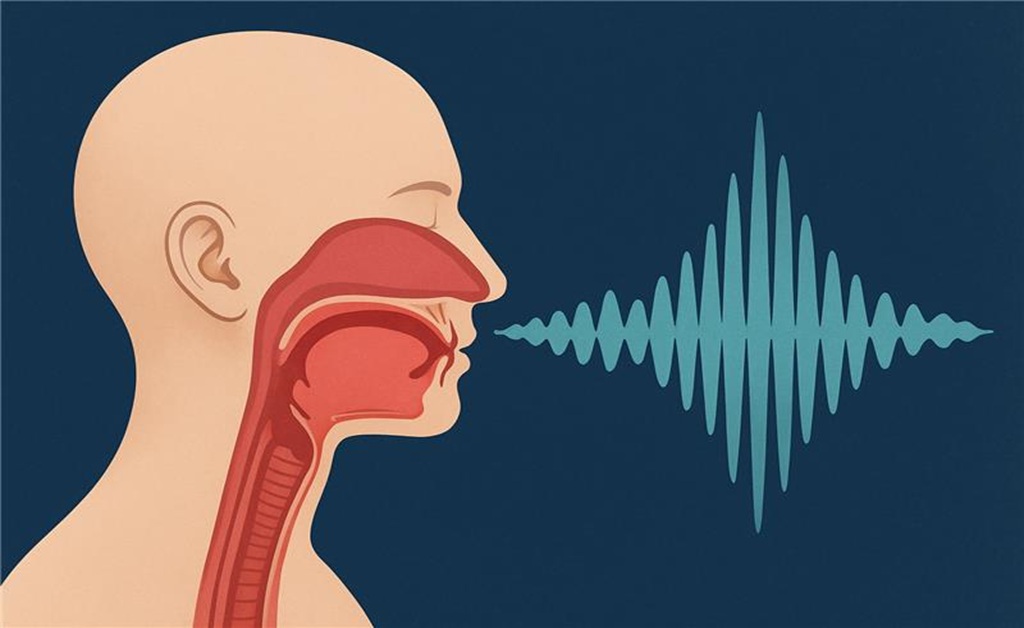
A voice begins with the cords; in this case, two small layers of tissue found within the larynx (voice box). The air passes through them and causes vibrations, which create the sounds in the voice. These cords vibrate tightly or loosely, enclosing pitch, tone, and volume. Simply consider this analogy: thinner and tighter cords will give out higher notes, while thicker and looser cords will cause a deeper tone.
Pearland singing lessons usually involve a lot of methods taught by an instructor to help manipulate these vibrations. One big thing to really have these vibrations working is correct breathing, posture, and warm-up in vocal training, which would strengthen your muscles even around the vocal cords while maintaining the steady pitch and tone which wouldn’t be stressed.
2. Why Your Voice Sounds Different from Others
All human beings have vocal cords, but none of them are alike. The manner in which the throat, mouth, nasal passages, and even the skull resonate with vocal sound is made more complex by all the possible combinations of their sizes and shape. These alignments of physical attributes all work together to create your own “sound chamber” amplifying and shaping a voice in a manner that is unique to you.
It is an anatomical resonance of your singer that can easily be identified within seconds. In Pearland singing lessons, your teacher will train you to find your natural resonance and how to develop it into a fuller, richer sound.
3. The Role of Emotions and Personality
Science cares for the mechanics of your voice, but emotion gives it magic. Your feelings – jubilation, sorrow, excitement – have an influence on your tone, pitch, and delivery. That very emotional layer gives depth and authenticity to your singing. Well-designed singing lessons will guide you equally in technical control and emotional expression. Once you learn how to link feelings to your voice, that transformation is what takes a performance from being good to being unforgettable.
4. Training Your Unique Voice
Your vocal anatomy will not change, but your voice can be trained for the optimal production of sound. All of these will be practiced in singing class: breathing support, voice projection, and pitch control in a relaxed atmosphere. Furthermore, a great deal of tone-building will be done in each lesson, building a tone that is rich, strong, and full of personality, while at the same time fostering general vocal health right through to finals.
Conclusion
Your voice is a mixture of biology and emotion with a bit of technique thrown in, impossible to replicate by any other person. The science of your special sound is taught so you understand how special it really is. So, if you have ever thought about unlocking the potential of your voice, then maybe Pearland singing lessons could be the way to discover and polish the one instrument you were born with.
Read Our Other Blog: Celebrating Black Culture Through Music & Entertainment Marketing